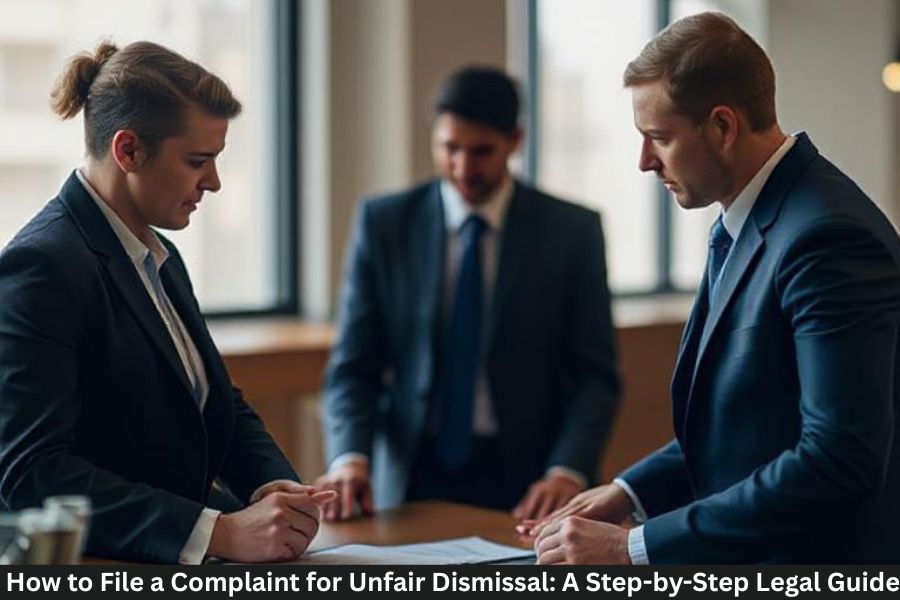
Losing a job—whether through a layoff or termination—can be emotionally and financially stressful. But did you know that employment laws protect your rights even after job loss? Understanding these rights helps you make informed decisions and ensures fair treatment during the process. This guide walks you through everything you need to know about employee rights during layoffs or termination—from notice periods and severance pay to unemployment benefits and legal remedies.
Understanding Layoffs and Termination
What Is a Layoff?
A layoff typically occurs when a company must reduce its workforce due to financial challenges, restructuring, or downsizing. It’s not related to employee performance.
What Is Termination?
Termination means the end of an employee’s job due to performance issues, misconduct, or other reasons specific to that individual.
Key Differences Between Layoff and Termination
| Aspect | Layoff | Termination |
|---|---|---|
| Reason | Business-related | Performance or misconduct |
| Rehire Possibility | Often eligible for rehire | Depends on cause |
| Benefits | May include severance | Varies based on cause |
| Legal Implication | Not employee’s fault | May involve disciplinary grounds |
Legal Framework Protecting Employees
Federal and State Labor Laws
In the United States, employees are protected under laws such as:
- The Fair Labor Standards Act (FLSA) – Regulates wages and hours.
- The Civil Rights Act (Title VII) – Prohibits discrimination.
- The WARN Act – Requires advance notice for mass layoffs.
- The Age Discrimination in Employment Act (ADEA) – Protects older workers from bias during layoffs or termination.
Employment Contracts and Company Policies
Your employment contract or company handbook may specify additional protections—such as severance pay or disciplinary procedures—that employers must follow before termination.
Employee Rights During Layoffs
Notice Period Requirements
Under the Worker Adjustment and Retraining Notification (WARN) Act, employers with 100+ employees must provide 60 days’ written notice before large-scale layoffs.
Right to Severance Pay
While federal law doesn’t mandate severance pay, many companies offer it voluntarily or through contracts. It’s usually based on length of service and position.
Continuation of Benefits
You have the right to continue health insurance under the COBRA Act for up to 18 months, though you’ll likely pay the full premium.
Unemployment Benefits Eligibility
If you were laid off due to no fault of your own, you generally qualify for unemployment insurance benefits. Apply through your state’s labor department.
Employee Rights During Termination
Right to Fair Treatment
Employers must follow company policy, contractual obligations, and anti-discrimination laws. Arbitrary or biased terminations are prohibited.
Protection Against Wrongful Termination
It’s illegal to fire an employee based on:
- Race, gender, religion, or disability
- Whistleblowing or reporting harassment
- Exercising legal rights (like family leave or wage claims)
Access to Final Pay and Benefits
Employees must receive their final paycheck (including unused vacation or overtime pay) promptly, typically within a few business days or by the next payday.
The WARN Act: Worker Adjustment and Retraining Notification
Who Is Covered Under the WARN Act
Employers with 100 or more employees must comply when conducting:
- Mass layoffs (50+ workers)
- Plant closures affecting at least 50 full-time employees
Employer Obligations
Employers must provide 60 days’ written notice to employees, labor unions, and local government agencies.
Penalties for Non-Compliance
Failure to provide notice may result in back pay, benefits, and penalties for each day of violation.
Discrimination and Retaliation Protections
Protected Characteristics
Federal laws prohibit termination or layoff based on:
- Race, color, gender, religion, or national origin
- Disability or pregnancy
- Age (for employees 40 and older)
Retaliation for Complaints or Whistleblowing
You cannot be dismissed for reporting safety violations, harassment, or wage theft. These protections fall under OSHA, EEOC, and whistleblower laws.
Legal Recourse for Victims
Victims can file complaints with the Equal Employment Opportunity Commission (EEOC) or pursue lawsuits for damages.
Severance Packages: What You Should Know
What’s Typically Included
Severance packages often include:
- Lump-sum payment
- Extended benefits (healthcare, outplacement services)
- Non-disclosure or non-compete clauses
Negotiating Severance Terms
You can negotiate your severance pay—especially if you have years of service or evidence of unfair treatment. Consider consulting an attorney before signing.
Signing a Release Agreement
Employers may require you to sign a release of claims—waiving your right to sue—in exchange for severance benefits. Read it carefully before agreeing.
Unemployment Benefits After Job Loss
Who Qualifies
Most laid-off or wrongfully terminated employees qualify if they were employed long enough and lost their job involuntarily.
How to Apply
Apply through your state’s unemployment agency. You’ll need proof of prior employment and termination documentation.
Common Reasons for Denial
- Resigning voluntarily
- Misconduct or policy violation
- Failing to meet eligibility requirements
Health Insurance and COBRA Coverage
The COBRA Act allows you to continue your employer-provided health insurance for up to 18 months after termination, though you pay the full premium yourself.
Exit Interviews and Confidentiality Agreements
Exit interviews are optional but can clarify next steps, like retrieving final pay or returning company property. Never sign confidentiality or non-disparagement agreements without understanding their terms.
How to Challenge Unfair Termination or Layoff
Filing a Complaint with the Labor Department
Start by contacting your state labor board or the EEOC if you suspect discrimination or retaliation.
Taking Legal Action
If investigations confirm misconduct, you can pursue compensation or reinstatement through legal channels.
Seeking Mediation or Arbitration
Many disputes are resolved through mediation, a faster and less costly alternative to litigation.
Employee Responsibilities After Termination
Even after losing your job, you must:
- Return company property
- Maintain confidentiality
- Avoid defamation or breaches of contract
Tips for Protecting Yourself During Job Loss
- Keep written records of all communications with your employer.
- Review your contract and benefits package carefully.
- Consult a labor attorney before signing any documents.
- Apply for unemployment benefits immediately.
Conclusion
Layoffs and terminations are difficult, but knowing your rights helps you take control of the situation. From notice periods and severance pay to COBRA and wrongful termination laws, you’re protected by legislation designed to ensure fairness and dignity at work. If you ever face job loss, act promptly—understanding your rights is the first step toward rebuilding your career.
FAQs
1. Can I be laid off without notice?
In most cases, no. Large-scale layoffs require 60 days’ notice under the WARN Act, unless exceptions apply.
2. Am I entitled to severance pay after termination?
Not always—it depends on your company policy or employment contract.
3. How soon should I receive my final paycheck?
Typically within a few business days or by your next scheduled payday.
4. Can I challenge my layoff if I suspect discrimination?
Yes. File a complaint with the EEOC or consult a labor attorney immediately.
5. Does COBRA coverage apply after any job loss?
Yes, as long as your employer had 20 or more employees, you’re eligible to continue coverage for up to 18 months.