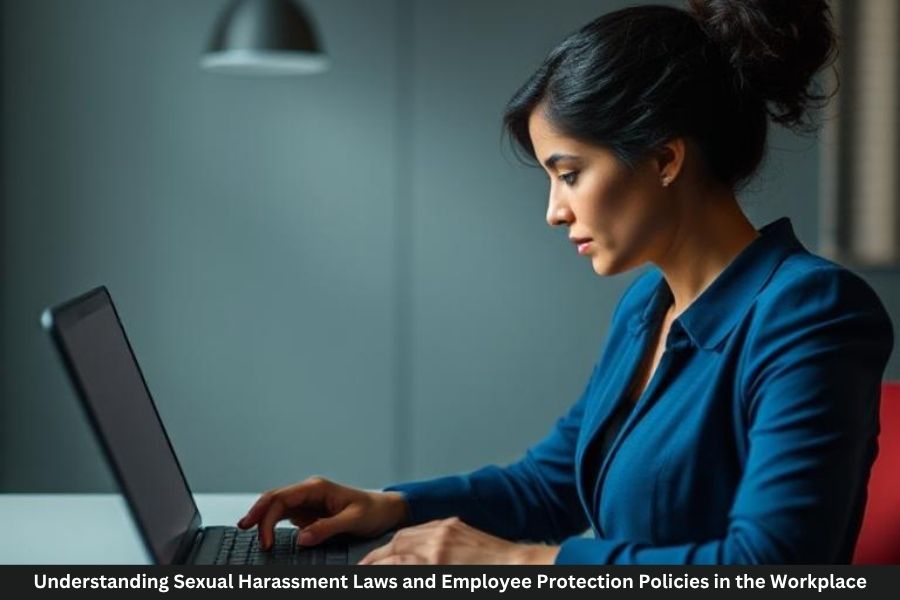
Sexual harassment remains one of the most challenging issues in workplaces around the world. Despite growing awareness, many employees still don’t fully understand their legal rights—or the protections available to them. Understanding sexual harassment laws and employee protection policies isn’t just a matter of compliance; it’s essential for building safe, inclusive, and respectful workplaces.
What Is Sexual Harassment?
Defining Sexual Harassment Under the Law
Sexual harassment is any unwelcome sexual behavior, comment, or conduct that creates an intimidating, hostile, or offensive work environment. Legally, it’s considered a form of employment discrimination under federal and state laws.
Examples of Sexual Harassment in the Workplace
- Unwanted touching or physical contact
- Inappropriate jokes or remarks
- Repeated requests for dates after rejection
- Displaying sexually suggestive materials
- Offensive gestures or body language
Even subtle actions can qualify as harassment if they make someone feel unsafe or humiliated.
The Importance of Addressing Sexual Harassment
Ignoring sexual harassment doesn’t just harm victims—it damages company culture, morale, and productivity. Studies show that toxic environments lead to high employee turnover, lawsuits, and reputational loss. Addressing these issues early is key to prevention.
Types of Sexual Harassment
Quid Pro Quo Harassment
This type occurs when employment benefits (like promotions or raises) are tied to sexual favors. For example, a supervisor might say, “If you go out with me, I’ll make sure you get that promotion.”
Hostile Work Environment
A hostile environment exists when behavior is so pervasive or severe that it interferes with an employee’s ability to work. This can include ongoing jokes, suggestive comments, or inappropriate messages.
Key Sexual Harassment Laws
Title VII of the Civil Rights Act of 1964
This landmark federal law prohibits employment discrimination based on sex, race, color, religion, or national origin. It specifically makes sexual harassment unlawful under the umbrella of sex discrimination.
The Equal Employment Opportunity Commission (EEOC) Guidelines
The EEOC enforces Title VII and provides guidance for employers on preventing and addressing sexual harassment. Victims can file complaints directly with the EEOC if internal remedies fail.
State and Local Harassment Laws
Many states have their own stronger regulations, extending protection to small employers or adding penalties for non-compliance.
Employee Rights Under Sexual Harassment Laws
Every employee has the right to:
- Work in a harassment-free environment
- Report inappropriate behavior without fear
- Be protected from retaliation
- Seek legal remedies through the EEOC or courts
Employees also have the right to confidentiality during investigations and protection from wrongful termination.
Employer Responsibilities in Preventing Harassment
Creating a Safe Work Environment
Employers are legally required to ensure a workplace free from discrimination and harassment. This includes clear communication of policies and zero-tolerance enforcement.
Reporting and Investigation Protocols
Companies must establish internal procedures for complaints. Investigations should be prompt, impartial, and well-documented.
Understanding Employee Protection Policies
Anti-Harassment Policies
Written policies are the first defense line. They outline unacceptable behaviors, disciplinary actions, and reporting methods.
Confidential Reporting Channels
Employees must be able to report misconduct safely. Anonymous hotlines or HR email systems can help maintain confidentiality.
Disciplinary Procedures
Once harassment is proven, disciplinary measures—from warnings to termination—should be applied consistently to prevent future misconduct.
Role of Human Resources (HR)
HR acts as the bridge between employees and management. Their role includes:
- Training staff on acceptable conduct
- Investigating complaints fairly
- Maintaining accurate records
- Supporting affected employees through counseling or adjustments
How to Report Sexual Harassment
Internal Reporting
Victims should first report incidents through internal channels—HR, direct supervisors, or compliance officers. Documentation (emails, screenshots, messages) strengthens a case.
Filing a Complaint with the EEOC
If internal efforts fail, employees can file a formal complaint with the EEOC within 180–300 days of the incident. The EEOC will investigate and may pursue legal action if necessary.
Retaliation and Whistleblower Protection
Retaliation occurs when employers punish an employee for reporting harassment—through demotion, termination, or mistreatment. Retaliation is illegal under both federal and state laws. Employees who speak up are protected under whistleblower protection statutes.
Training and Awareness Programs
Regular training sessions teach employees what constitutes harassment and how to respond. Mandatory workshops not only prevent violations but also demonstrate a company’s commitment to a respectful workplace.
Legal Consequences for Employers
Companies that fail to address harassment can face:
- Heavy fines
- Lawsuits and settlements
- Reputational damage
- Loss of employee trust
A single case mishandled can lead to nationwide scrutiny, especially in the era of social media and digital accountability.
How Employees Can Protect Themselves
- Keep a record of incidents and communications
- Learn your company’s reporting process
- Seek legal counsel if you face retaliation
- Support coworkers who experience harassment
- Participate in training and awareness sessions
Creating a Culture of Respect and Inclusion
True prevention goes beyond policies—it’s about culture. When organizations promote inclusion, empathy, and accountability, employees feel safe and empowered. Leadership should model respectful behavior, value diversity, and listen to employee feedback.
Conclusion
Sexual harassment laws and employee protection policies exist to safeguard dignity, equality, and fairness in the workplace. Both employees and employers share responsibility in creating an environment where everyone feels safe and valued. Understanding your rights—and acting on them—can make all the difference.
FAQs
1. What should I do if I experience sexual harassment at work?
Report it immediately to HR or a supervisor. Keep records of all incidents and communications as evidence.
2. Can my employer fire me for reporting harassment?
No. Retaliation is illegal under federal law. You are protected by whistleblower and anti-retaliation statutes.
3. How long do I have to file a harassment complaint with the EEOC?
You generally have 180 days, but some states extend the limit to 300 days from the date of the incident.
4. Are small businesses also required to follow harassment laws?
Yes. While Title VII covers employers with 15 or more employees, most states have additional laws covering smaller companies.
5. What can companies do to prevent sexual harassment?
They should establish clear policies, conduct regular training, and promote a respectful, inclusive workplace culture.